Welcome to our collection of traditional South African recipes, where we celebrate the rich culinary heritage of Mzansi. From hearty stews to sweet treats, these dishes have been passed down through generations, each with its own unique story and flavour. Prepare to embark on a gastronomic adventure that will transport you to the heart of South African culture.
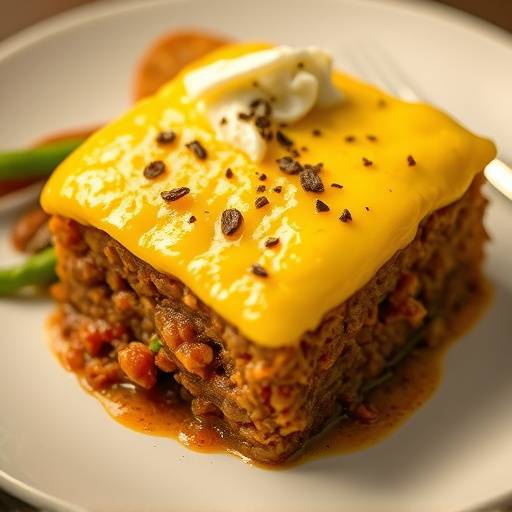
Bobotie
Bobotie is a beloved South African dish with Malay origins, consisting of spiced minced meat baked with an egg custard topping. The combination of sweet and savory flavors, along with its fragrant spices, makes it a truly unique and comforting meal. It's often served with yellow rice, chutney, and sliced bananas.
History:
Bobotie's roots can be traced back to the Dutch East India Company in the 17th century, with influences from Indonesian and Malay cuisine. The name "Bobotie" is believed to derive from the Malay word "boemboe," meaning curry spices. Over time, the recipe has evolved, with South African cooks adding their own touches to create the dish we know and love today.
Variations:
Some variations of Bobotie include adding dried apricots or raisins to the meat mixture for extra sweetness. Others may use different types of meat, such as lamb or venison, or incorporate vegetables like carrots or peas. Vegetarian versions often substitute lentils or mushrooms for the meat.
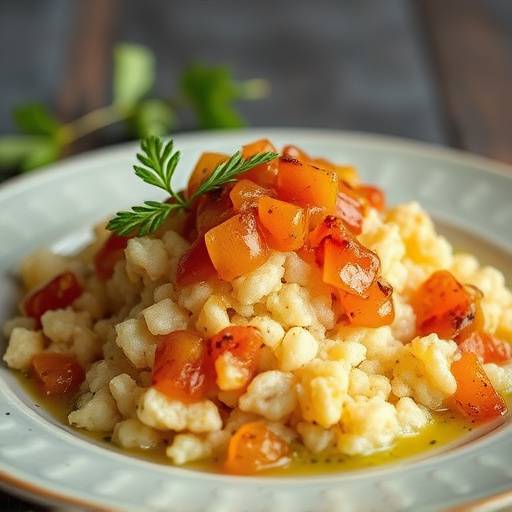
Mieliepap
Mieliepap, also known as pap, is a staple food in South Africa made from maize meal. It can be cooked to different consistencies, ranging from a soft, porridge-like texture to a stiff, crumbly one. Mieliepap is often served with a variety of accompaniments, such as sheba (a tomato and onion relish), meat, or gravy.
History:
Maize was introduced to South Africa in the 17th century and quickly became a staple crop. Mieliepap has since become a fundamental part of South African cuisine, particularly among the indigenous population. It's a versatile and affordable food that provides essential nutrients and energy.
Variations:
There are several variations of mieliepap, depending on the region and personal preferences. "Slap pap" is a soft, porridge-like version, while "stywe pap" is a stiff, crumbly one. "Krummelpap" is a drier version that is often served with braaied meat. Some people also add butter, milk, or cheese to their mieliepap for extra flavor.
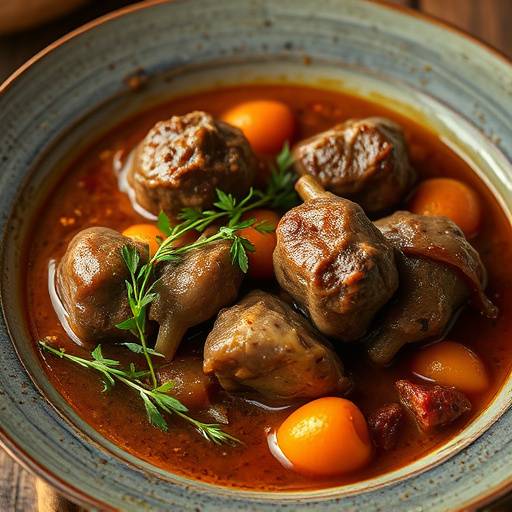
Bredie
Bredie is a traditional South African stew, typically made with meat (often lamb), vegetables, and spices. It's a slow-cooked dish, allowing the flavors to meld together and create a rich, comforting meal. Tomato bredie is a particularly popular variation, featuring tender lamb and ripe tomatoes simmered in a flavorful broth.
History:
Bredie has its origins in the Cape Malay community, who brought their culinary traditions to South Africa in the 17th century. The word "bredie" is believed to derive from the Malay word "bredeh," meaning stew. Over time, the recipe has evolved, with South African cooks incorporating local ingredients and flavors.
Variations:
There are many variations of bredie, depending on the vegetables used and the type of meat. Waterblommetjie bredie, made with the edible flowers of the Cape pondweed, is a regional specialty. Green bean bredie and cabbage bredie are also popular options. Some people add potatoes or other root vegetables for extra heartiness.
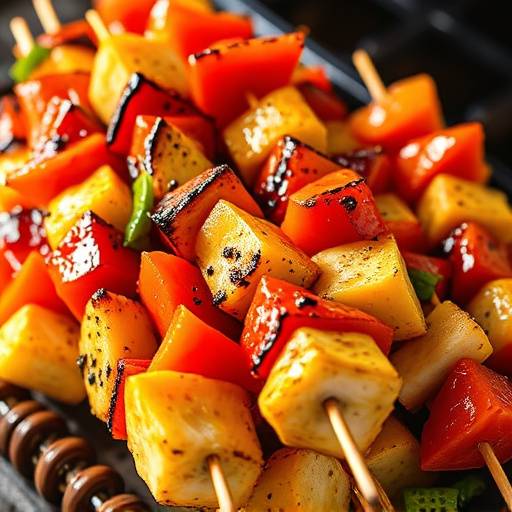
Sosaties
Sosaties are marinated and skewered meat, traditionally lamb or mutton, that are grilled or braaied (barbecued). The marinade typically includes onions, spices, garlic, and apricot jam, giving the meat a sweet and tangy flavor. Sosaties are a popular dish at braais and other social gatherings.
History:
The origins of sosaties can be traced back to the Cape Malay community, who brought their culinary traditions to South Africa in the 17th century. The word "sosatie" is believed to derive from the Malay words "sate" (skewered meat) and "saus" (sauce). Over time, the recipe has evolved, with South African cooks adding their own touches to create the dish we know and love today.
Variations:
There are many variations of sosaties, depending on the type of meat used and the marinade. Chicken sosaties and beef sosaties are also popular options. Some people add vegetables, such as onions, peppers, and mushrooms, to the skewers for added flavor and texture. The marinade can also be adjusted to suit individual preferences, with some people preferring a spicier or sweeter flavor.

Melktert (Milk Tart)
Melktert, or milk tart, is a classic South African dessert consisting of a sweet pastry crust filled with a creamy milk custard. The custard is typically flavored with cinnamon, almond extract, or vanilla, and the tart is often dusted with cinnamon before serving. It's a comforting and nostalgic treat that is enjoyed by people of all ages.
History:
Melktert is believed to have originated in the Netherlands in the 17th century, with influences from Indonesian cuisine. The Dutch brought the recipe to South Africa, where it quickly became a popular dessert. Over time, the recipe has evolved, with South African cooks adding their own touches to create the tart we know and love today.
Variations:
Some variations of melktert include adding a layer of apricot jam to the bottom of the crust before filling it with the custard. Others may use different types of milk, such as condensed milk or evaporated milk, for a richer flavor. Some people also add a touch of nutmeg or cardamom to the custard for extra spice.

Boerewors
Boerewors is a traditional South African sausage made from coarsely minced beef, pork, or a mixture of both, with spices such as coriander, black pepper, nutmeg, and cloves. The sausage is typically formed into a continuous spiral and grilled or braaied (barbecued). Boerewors is a staple at braais and other social gatherings.
History:
Boerewors originated with the Voortrekkers, the Dutch-speaking pioneers who migrated inland from the Cape Colony in the 19th century. The name "boerewors" literally means "farmers' sausage" in Afrikaans. The sausage was originally made using simple methods of meat preservation, with spices added to enhance the flavor and extend its shelf life.
Variations:
There are many variations of boerewors, depending on the spices used and the type of meat. Some boerewors contains a higher proportion of beef, while others contain more pork. Some people also add chili peppers for a spicy kick. The traditional method of cooking boerewors is over an open fire, but it can also be grilled or pan-fried.